





Lithium batteries offer faster charging, lighter weight, and deeper usable capacity — but they’re not the right upgrade for every caravan or travel style.

Lithium batteries have become one of the most talked-about upgrades in the caravan world — and for good reason. They offer major performance advantages over traditional AGM batteries, particularly for off-grid travel.
But lithium isn’t a simple plug-and-play upgrade. Costs, compatibility, charging systems, and how you actually travel all matter.
This guide breaks down the real pros and cons of lithium batteries, what they cost in Australia, and how to decide if upgrading makes sense for your caravan.
What Is a Lithium Caravan Battery?
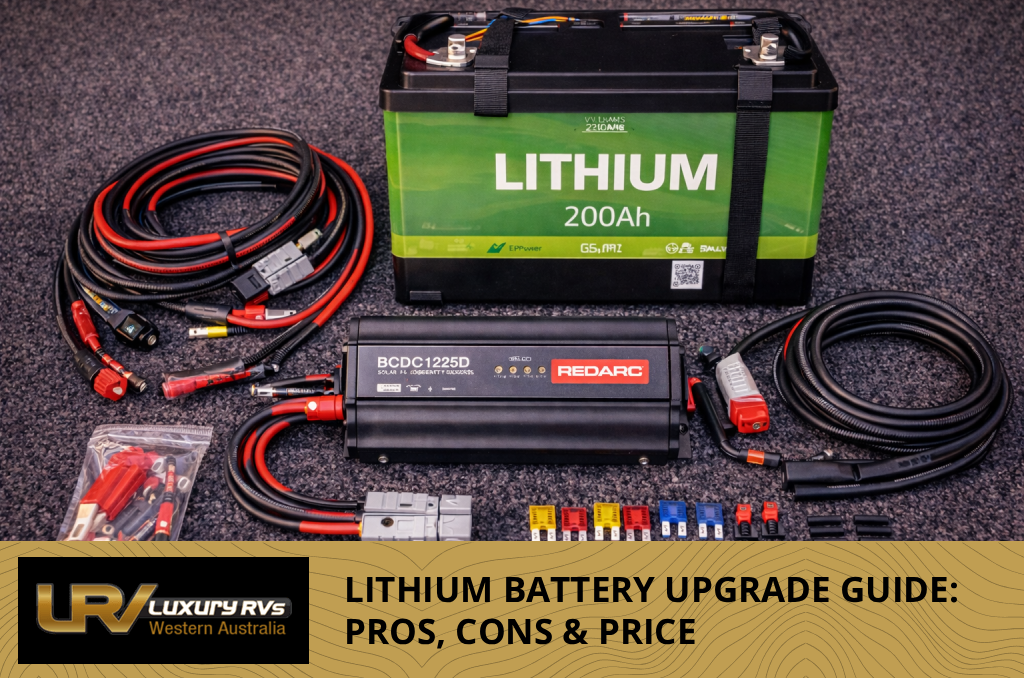
Most caravan lithium upgrades use LiFePO₄ (Lithium Iron Phosphate) batteries. These are different from lithium batteries used in phones or laptops and are specifically designed for deep-cycle use.
Lithium caravan batteries:
- Deliver consistent voltage
- Allow deeper discharge
- Recharge faster
- Include built-in battery management systems (BMS)
Lithium vs AGM: What’s the Difference?

AGM Batteries
- Lower upfront cost
- Heavier
- Only ~50% usable capacity
- Slower charging
- Shorter lifespan
Lithium Batteries
- Higher upfront cost
- Much lighter
- Up to 80–100% usable capacity
- Fast charging
- Long lifespan
In practical terms, one lithium battery often replaces two AGMs.
Pros of Upgrading to Lithium Batteries
Faster Charging
Lithium batteries accept higher charge currents, meaning:
- Faster alternator charging
- More efficient solar use
- Less engine run time
More Usable Power
Unlike AGM batteries, lithium can be discharged deeply without damage — giving you more usable energy from the same footprint.
Weight Savings
Lithium batteries are significantly lighter, which helps:
- Towing performance
- Payload limits
- Overall efficiency
Longer Lifespan
Lithium batteries typically last several times longer than AGM when used correctly.
Cons of Lithium Battery Upgrades
Higher Upfront Cost
Lithium batteries cost more initially — especially once charging upgrades are factored in.
Charging System Compatibility
Lithium requires:
- DC to DC chargers
- Lithium-compatible solar regulators
- Proper voltage control
Cold Temperature Limitations
Lithium batteries should not be charged below freezing without protection (less of an issue for WA, but still relevant).
Not Always Necessary
If you:
- Mostly use powered sites
- Camp short-term
- Have low power needs
Lithium may be overkill.
How Much Does a Lithium Battery Upgrade Cost?

Typical costs in Australia:
- Lithium battery (100Ah): Moderate to high
- DC to DC charger upgrade: Additional cost
- Solar regulator upgrade: Sometimes required
- Cabling and installation: Variable
A full lithium upgrade is an investment, not just a battery swap.
What Else Needs Upgrading with Lithium?
A proper lithium upgrade may require:
- DC to DC charger
- Battery monitor
- Updated cabling
- Compatible inverter settings
Skipping these steps is where most lithium problems start.
Is Lithium Worth It for Your Caravan?
Lithium is usually worth it if you:
- Free camp regularly
- Run higher power loads
- Want faster charging
- Plan to keep your caravan long-term
It may not be worth it if:
- You rarely camp off-grid
- Your AGM system already meets your needs
- Budget is a major constraint
Common Lithium Upgrade Mistakes
- Installing lithium without upgrading chargers
- Mixing lithium and AGM batteries
- Ignoring manufacturer charging specs
- Overspending on capacity you’ll never use
Lithium works best when it’s part of a well-designed system, not a bolt-on upgrade.
Planning a Lithium Upgrade?
Lithium batteries can dramatically improve off-grid performance — but only when the entire power system is designed around them.
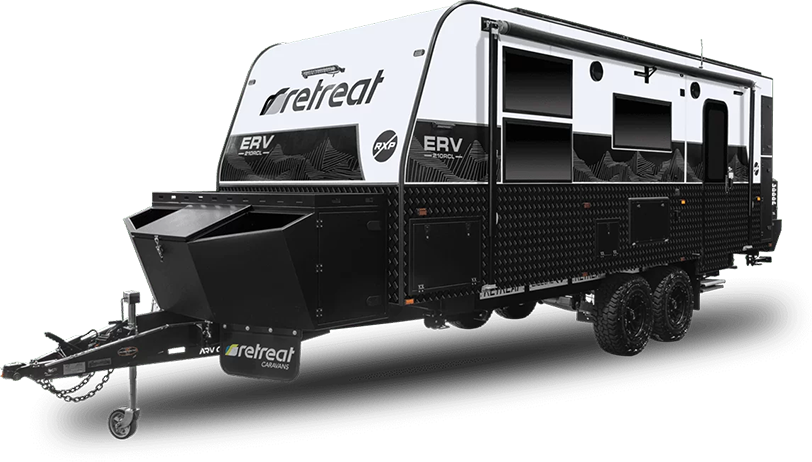
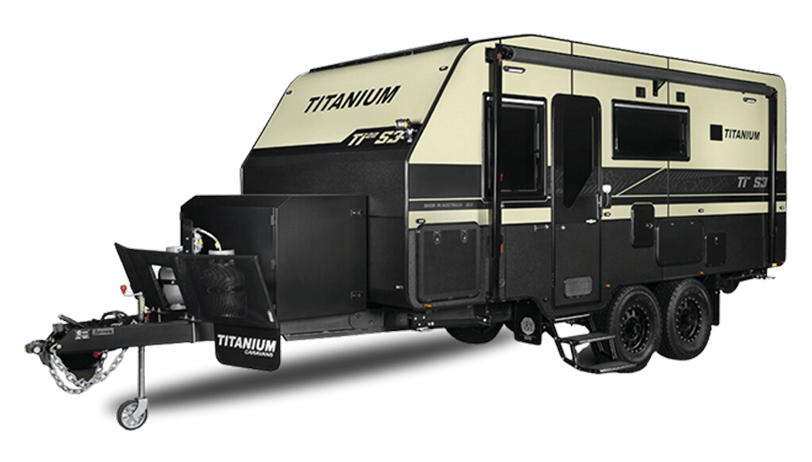
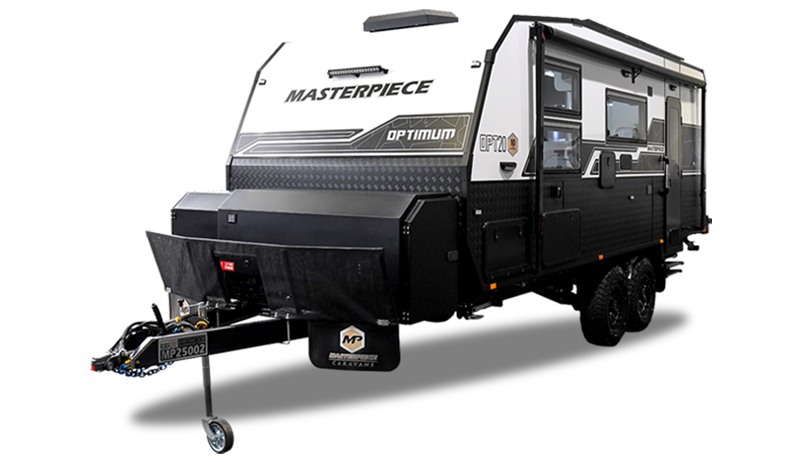
If you’re looking at caravans built with lithium-ready systems from the start, explore the range at Luxury RVs WA or speak with the team about setups that suit how you actually travel.
Please contact us and start your next adventure today!


